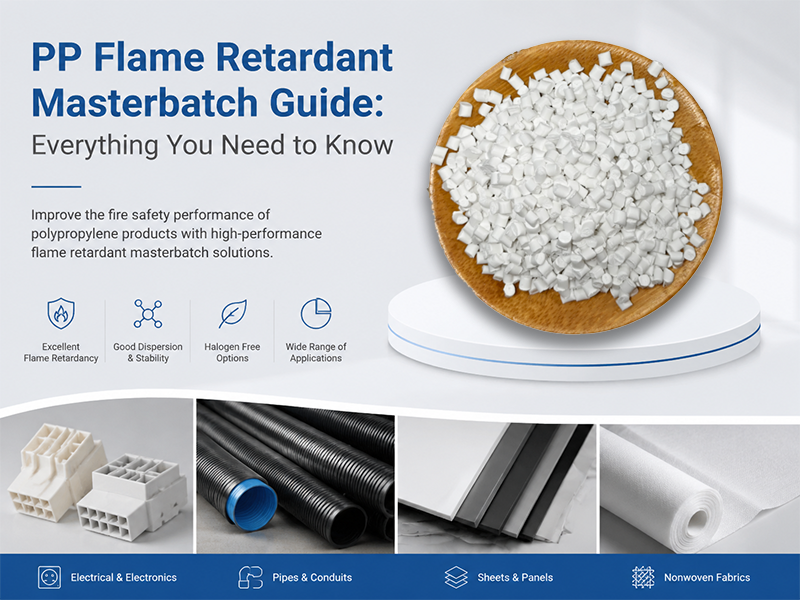
Flame Retardant Polypropylene Mechanisms
Polypropylene (PP), as a thermoplastic polymer, is widely used in packaging, automotive, and electronics industries due to its light weight, easy processability, and low cost. However, PP is highly flammable and tends to drip when burning, which severely limits its application in scenarios requiring high safety standards.
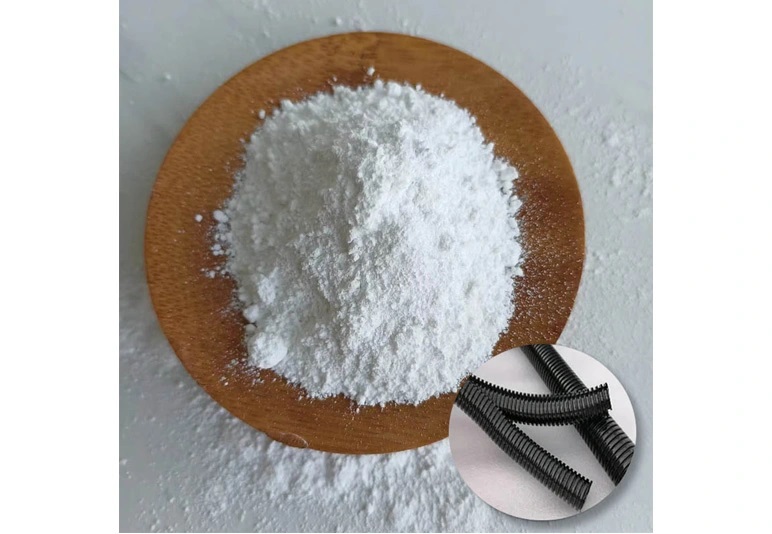
To improve its flame resistance, researchers have developed various flame retardant polypropylene technologies, mainly based on the following three mechanisms:
Comparison of Flame Retardant Polypropylene Mechanisms
| Mechanism | Principle Description | Rating | Characteristics & Application Scenarios |
|---|
| Char-forming Mechanism | A char layer forms during combustion, isolating the polymer from oxygen and preventing further burning | V0 | No dripping, excellent flame retardancy; limited to thick molded parts or sheets |
| Inert Gas Isolation Mechanism | Inert gases are released during combustion, diluting combustible gases and cutting off oxygen supply | V1 | Drips but does not ignite cotton; widely used, cost-effective, and highly process-compatible |
| Dripping and Heat Reduction Mechanism | Heat is dissipated through dripping, lowering the core temperature and interrupting the combustion chain | V1/V2 | Minimal impact on processing; applicable to corrugated pipes, films, foams, sheets, etc. |
Challenges in Fire Retardant Polypropylene Research
Although fire retardant polypropylene technology has made significant progress, several critical challenges remain in its industrialization and broader application:
High Loading and Poor Compatibility of Flame Retardants
To achieve desired flame retardant performance, a high dosage of additives is often required. However, excessive flame retardant content severely affects the processing flowability of PP and impairs its mechanical properties such as impact strength and elongation. Especially for commonly used inorganic flame retardants, poor compatibility with the PP matrix may lead to delamination, cracking, or even processing failure.
Insufficient Environmental Friendliness
Traditional high-efficiency flame retardants are often halogen-based (e.g., chlorine or bromine compounds). These substances release toxic and corrosive gases during combustion, posing risks to health and the environment. Therefore, developing halogen-free, low-toxicity, and efficient flame retardant systems has become a research focus.
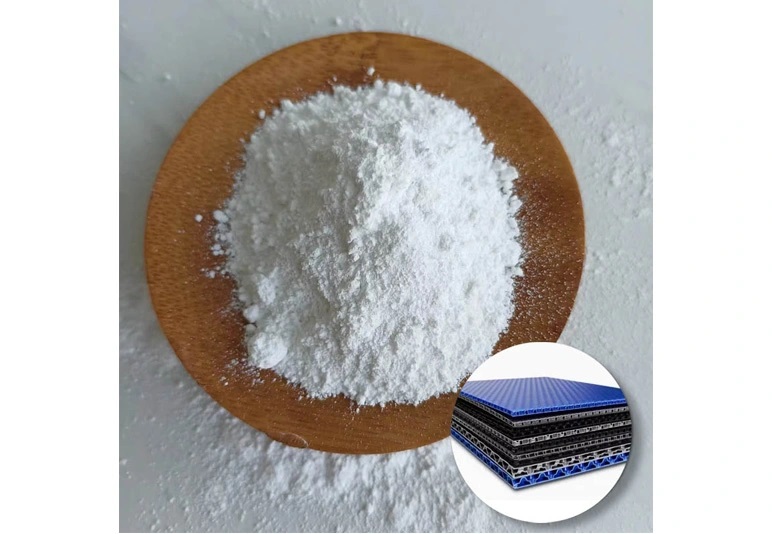
High Cost
Some high-performance halogen-free flame retardants—such as phosphorus-based or triazine compounds—are expensive and complex to synthesize, limiting their use in large-scale or cost-sensitive applications such as packaging and disposable products.
Future Directions for Flame Retardant Polypropylene
As a key strategy to improve the safety of plastic applications, flame retardant polypropylene technologies are supported by diverse mechanisms and solid research foundations. However, to achieve truly green, efficient, and cost-effective solutions, continuous innovation is required. Future efforts should focus on:
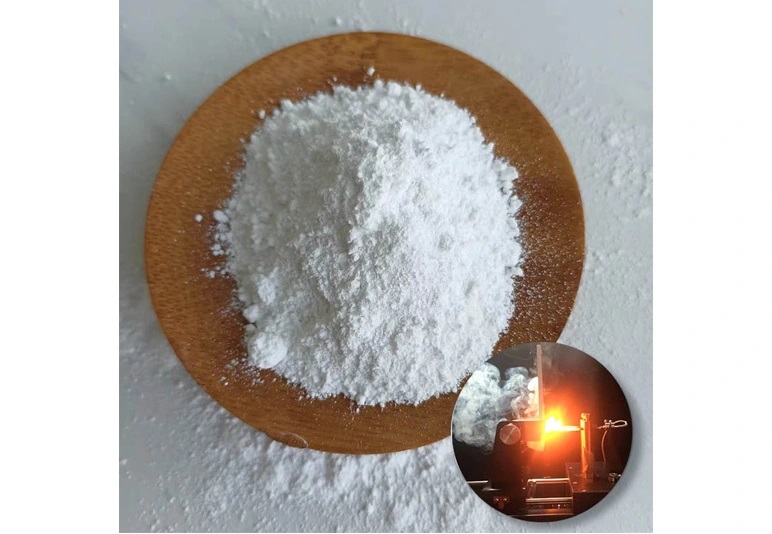
Development of novel flame retardants with high efficiency, environmental friendliness, and low dosage
Deeper exploration of flame retardant mechanisms, including synergistic effects and nanostructures
Improved compatibility and processability between flame retardants and PP base resin
By integrating material science and processing technology, fire retardant polypropylene materials can evolve toward high-performance, low-cost, and sustainable solutions—unlocking broader applications in electronics, automotive, construction, and other safety-critical industries.
 English