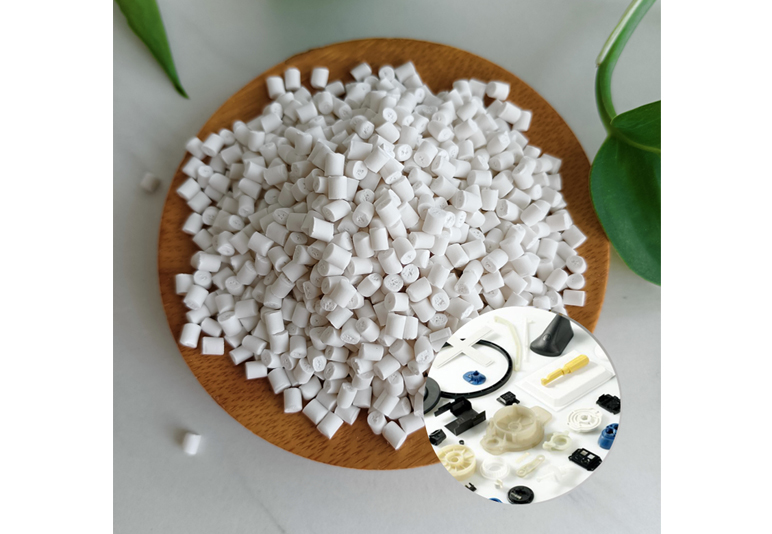
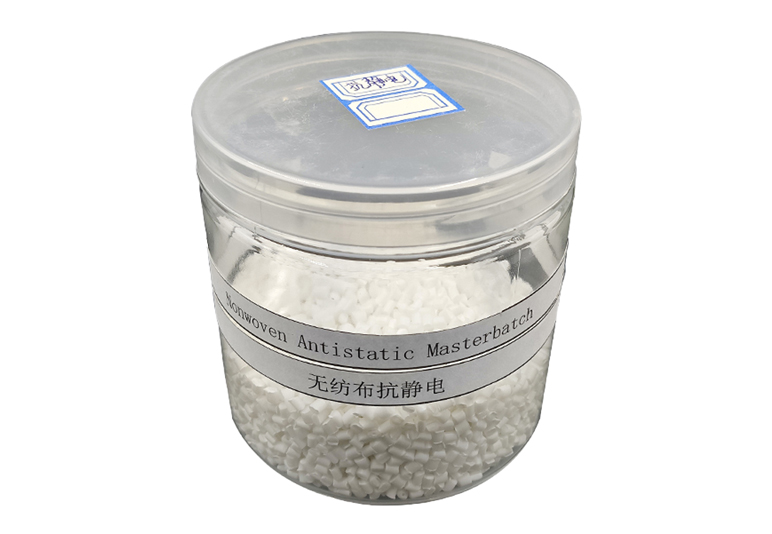
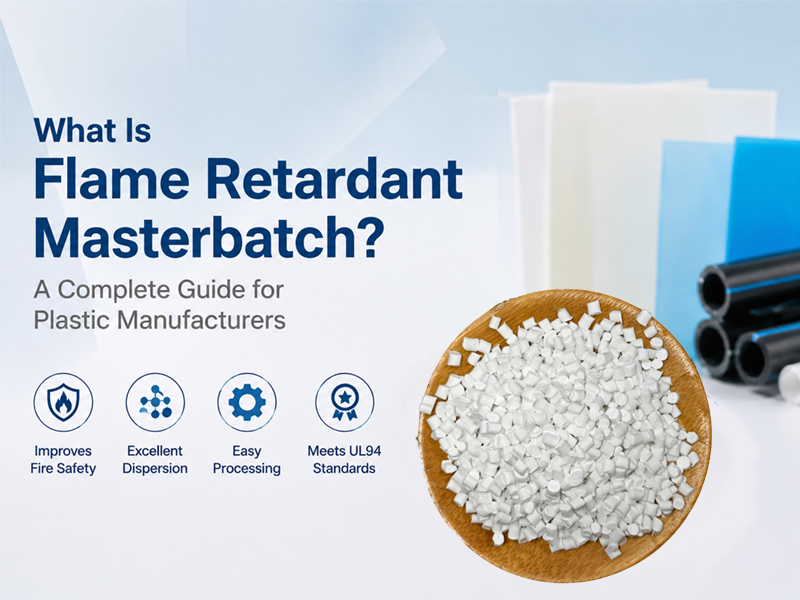
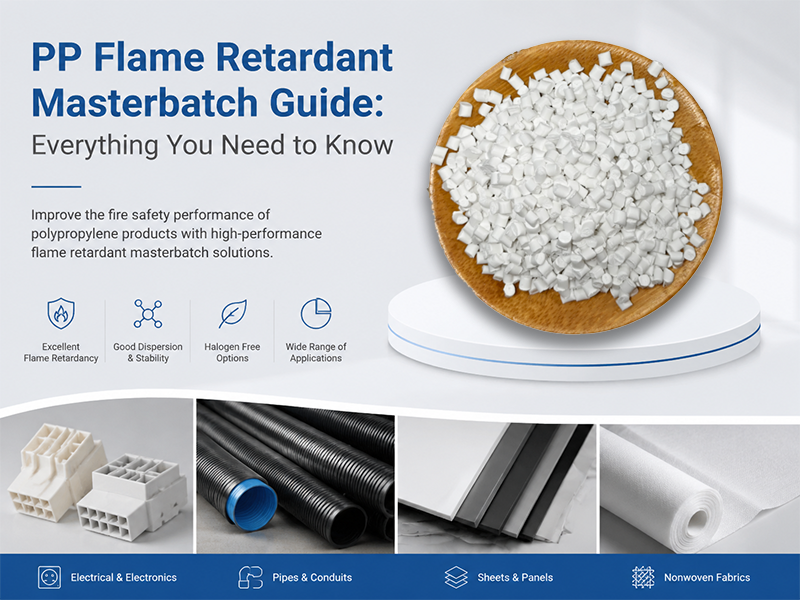
Safety in materials is a crucial aspect that industries across the board need to address. The use of "flame retardant additives" has become pervasive in enhancing material properties to resist fire. These additives are incorporated into various plastic products, from construction materials to textiles and electronics, preventing the ignition and spread of flames. This comprehensive article will provide a detailed exploration of flame retardant additives, covering their definition, types, mechanism of action, common materials used, environmental impact, and adherence to regulatory standards. Whether you're considering adopting "halogen free flame retardant cables" or opting for "Flame retardant corrugated pipe" in industrial applications, understanding these additives will prove beneficial.
Definition and Types
Flame retardant additives are materials integrated into products to reduce their flammability. They operate by engaging chemically or physically with the substrate during combustion, thus slowing down the process. They come in several types, each with unique applications and efficacy levels, tailored to specific industrial needs.
| Type | Description | Applications |
|---|
| Halogenated Flame Retardants | Use halogens to inhibit flame. | Used in electronics and textiles. |
| Halogen Free Flame Retardants | Do not contain halogens, environmentally friendly. | Applied in halogen free flame retardant cables. |
| Intumescent Additives | Swell when heated to form an insulating barrier. | Used in paints and coatings. |
| Mineral Flame Retardants | Utilize minerals to disrupt flame propagation. | Common in fire resistant plastic sheets. |
Mechanism of Action
The mechanism through which "flame retardant additives" operate is key to their effectiveness. These additives can act in three main ways: endothermic degradation, radical quenching, and char formation. Understanding these processes helps in selecting the right type for specific applications.
Endothermic Degradation: Some flame retardants engage in endothermic reactions, absorbing heat which reduces the temperature and slows the combustion process.
Radical Quenching: Other types of additives interfere with the propagation of flame by capturing or quenching free radicals that promote fire spread.
Char Formation: Intumescent additives create a layer of char when heated, inhibiting oxygen feed to the flames and insulating against thermal transmission.
Common Materials Used
Flame retardant technology involves a wide array of materials, each suited for different applications and performance criteria. The selection of these components is based on their inherent flame retardant properties combined with operational demands such as durability and environmental safety.
| Material | Properties | Applications |
|---|
| Polyurethane | Versatile, used with "flame retardant plastics". | Textiles, cushions. |
| Antimony Trioxide | Effective as a synergist with halogens. | Used in "fire retardant powder" mixtures. |
| Phosphates | Efficient in char formation processes. | Electronics, distributing "peek 3d printer filament". |
| Aluminum Trihydrate | Endothermic properties, water release. | Applied in thermoplastics, "peek filament". |
Environmental Impact
While flame retardant additives are critical for safety, their environmental impact warrants consideration. Producers strive for eco-friendliness by developing halogen free flame retardant options that reduce negative outcomes. It's essential to weigh these impacts when choosing materials, looking into their biodegradability and potential emissions.
Halogen-free flame retardant cables are emerging as top choices for their lower toxicity levels. Conversely, ensuring brands comply with sustainability standards differentiates environmentally conscious companies, such as those providing peek 3d printing filament that prioritizes minimal ecological footprints.
Regulatory Standards
Flame retardants must meet stringent regulatory standards globally, ensuring their consistency and safety. Agencies like the Environmental Protection Agency (EPA) and the European Chemicals Agency (ECHA) set the guidelines and benchmarks for acceptable use.
Material Safety Data Sheets (MSDS): These documents provide essential safety information for flame retardants.
RoHS Compliant: Products like peek sheets and peek rods typically align with Restriction of Hazardous Substances norms, restricting certain hazardous materials.
UL Ratings: Underwriters Laboratories certify products, granting confidence to consumers using fire resistant plastic sheets and flame retardant polypropylene.
Choosing certified materials ensures compliance and reliability, fostering trust among consumers and aligning with global safety expectations.
Conclusion
The implementation of flame retardant additives across various industries underscores their significance in promoting safety and protecting valuable assets from fire risks. By understanding their types, mechanisms, materials, and environmental considerations—as well as adhering to regulatory standards—stakeholders can make informed decisions that align with both safety goals and sustainability commitments. As the demand for safer materials grows, options like halogen free flame retardant cables and innovative peek filament products pave the way for a safer and environmentally conscious future. This guide should serve to enlighten and empower decision-makers in selecting cutting-edge flame retardant solutions for diverse applications.
For more information, please refer to:
European Chemicals Agency
Environmental Protection Agency
RoHS Guide
Underwriters Laboratories
 English