How PP Flame Retardants Boost Safety in Construction and Automotive
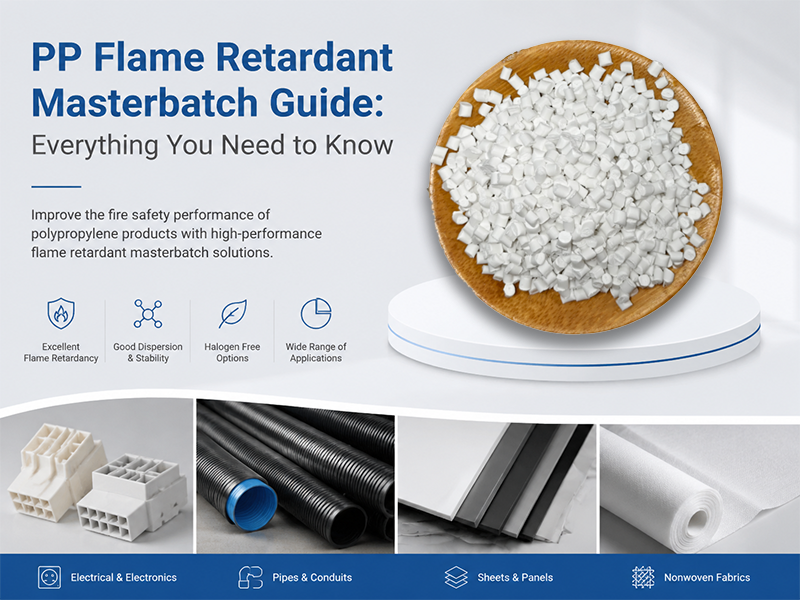
Polypropylene (PP) is one of the most widely used thermoplastics due to its lightweight, durability, and cost efficiency. However, like many polymers, PP has an inherent drawback—it is flammable. In industries such as construction and automotive, where safety standards are strict and reliability is paramount, flame retardant solutions play a vital role in reducing fire risks. This is where PP flame retardants come in, providing a balance between performance, safety, and compliance with international fire regulations.
In this article, we will explore how PP flame retardants enhance safety in these two critical sectors, the common technologies used, and why selecting the right supplier makes a difference.
The Importance of Flame Retardancy in PP Applications
Unmodified polypropylene burns readily once ignited, spreading flames quickly and producing smoke. This behavior can be catastrophic in applications such as car interiors, construction insulation, and wiring components. By incorporating flame retardant additives, PP materials gain improved fire resistance, reducing ignition risks and slowing down flame spread. This not only protects assets but also provides critical time for evacuation and firefighting measures.
Flame Retardant Solutions for Construction
In the construction sector, PP is commonly used in pipes, insulation layers, films, nonwoven fabrics, and composite materials. Each of these applications demands strict fire safety standards, especially in residential and commercial buildings.
Key Benefits of PP Flame Retardants in Construction:
Improved Fire Safety: Helps meet building code regulations such as UL 94 and EN standards.
Smoke Suppression: Reduces toxic smoke formation during combustion.
Structural Integrity: Maintains mechanical properties while providing flame resistance.
Sustainability: Halogen-free flame retardants contribute to greener construction practices.
| PP Application in Construction | Fire Safety Requirement | Role of Flame Retardant |
|---|
| PP Pipes | Low flame propagation | Prevents fire spread in concealed areas |
| Nonwoven Fabrics (geotextiles, roofing layers) | Heat resistance & slow ignition | Enhances durability under thermal stress |
| Insulation Materials | High safety under fire exposure | Limits smoke and flame penetration |
| Plastic Panels & Sheets | Building code compliance | Meets flammability standards |
By adopting high-performance PP flame retardant masterbatch, construction material producers can ensure that their products meet international safety requirements without sacrificing processing efficiency.
Flame Retardant Solutions for Automotive
The automotive industry is under constant pressure to enhance passenger safety while reducing vehicle weight and emissions. Polypropylene plays a central role in car interiors, electrical systems, and under-the-hood applications due to its balance of strength and processability. However, fire safety remains a top priority.
Key Benefits of PP Flame Retardants in Automotive:
Passenger Safety: Prevents rapid flame spread inside the cabin.
Regulatory Compliance: Meets automotive standards such as FMVSS 302.
Lightweighting: Enables manufacturers to replace heavier flame-resistant materials without compromising safety.
Design Flexibility: Ensures that flame retardant PP can still be molded into complex parts.
| Automotive Component | Risk Area | Role of PP Flame Retardant |
|---|
| Interior Panels & Dashboard | Cabin fire safety | Prevents ignition and protects passengers |
| Wire and Cable Insulation | Electrical overheating | Reduces risk of electrical fires |
| Under-the-Hood Parts | High-heat exposure | Enhances resistance to ignition |
| Trunk Liners & Carpets | Material ignition | Slows flame spread and reduces smoke |
For OEMs and Tier 1 suppliers, using flame retardant polypropylene is no longer optional but essential for compliance, safety assurance, and customer trust.
Choosing the Right PP Flame Retardant Partner
While the benefits of flame retardants are clear, not all solutions deliver the same performance. Factors such as processing compatibility, mechanical strength retention, and environmental safety must be carefully considered.
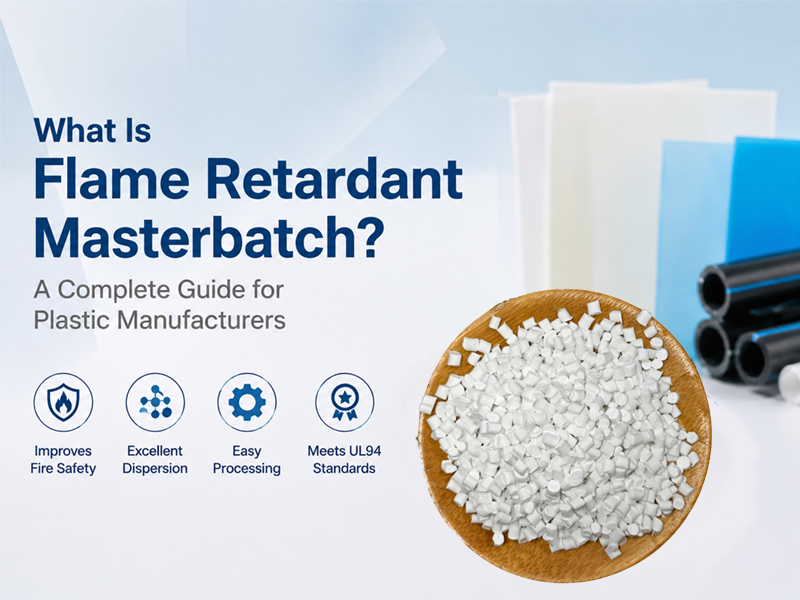
QIBO Technology provides advanced PP flame retardant masterbatches designed for high-performance industries. With years of expertise and a strong focus on innovation, QIBO develops solutions that help manufacturers:
Achieve international fire safety certifications.
Maintain the mechanical and aesthetic quality of PP products.
Choose between halogenated and halogen-free solutions depending on industry needs.
Benefit from consistent batch quality for reliable large-scale production.
Why Flame Retardancy Matters More Than Ever
With global industries moving toward higher safety standards and sustainability, flame retardant solutions are becoming indispensable. For construction, stricter building codes demand materials that can withstand fire exposure without compromising durability. For automotive, passenger safety regulations and the rise of electric vehicles make fire-resistant materials critical to brand reputation and compliance.
By integrating advanced PP flame retardants, manufacturers not only ensure compliance but also demonstrate a commitment to safety and innovation.
Conclusion
Polypropylene’s versatility has made it indispensable in modern industry, but its flammability cannot be ignored. By adopting PP flame retardant solutions, manufacturers in construction and automotive can meet strict safety requirements, enhance product reliability, and protect both infrastructure and human lives.
At QIBO Technology, we are dedicated to providing high-performance flame retardant masterbatches tailored to the unique needs of each industry. Whether you are a plastics processor, a product manufacturer, or a research lab, our solutions are designed to help you achieve both safety and efficiency.
 English